Cutie Bunny: A Playful Handwritten Font for Fun Branding Projects
Opening a blank brand board always feels like stepping into a creative playground. This time, I was working on a local bakery’s visual identity—think pastel tones, whimsical illustrations, and packaging that feels like a warm hug. The project called for a font that matched the charm and playfulness of the brand. I reached for Cutie Bunny, a script font I’d heard good things about but hadn’t yet tested in a real-world project. Let’s just say it quickly earned its place on the board.
First Impressions: Bouncy, Lively, and Full of Personality
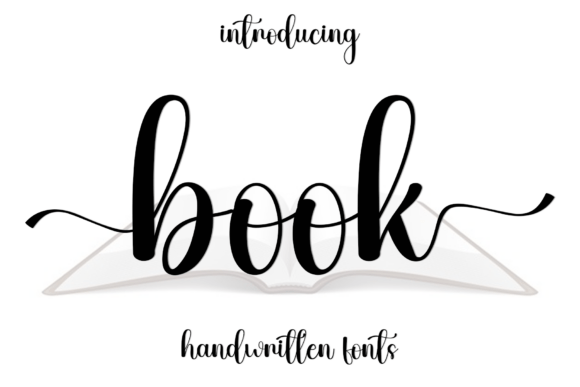
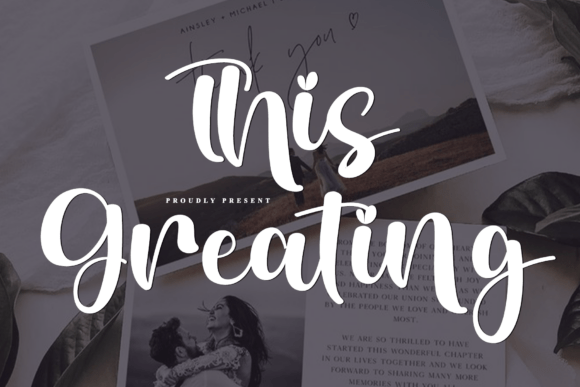
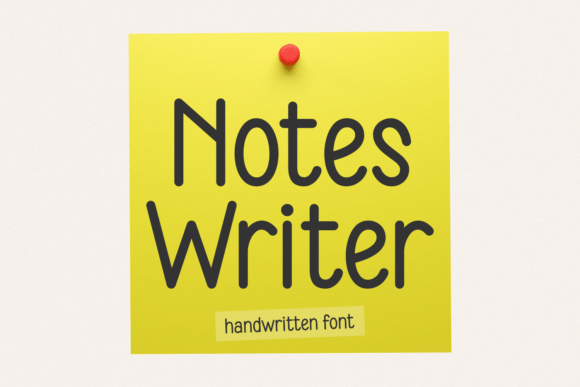
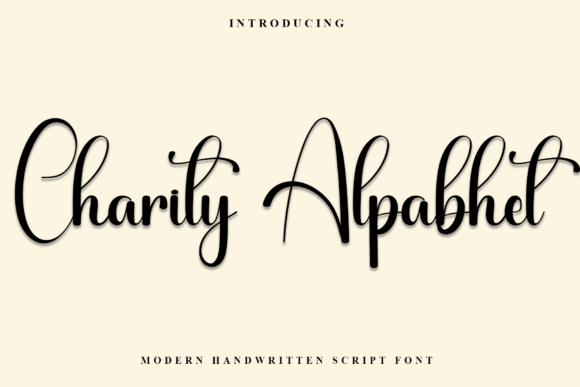
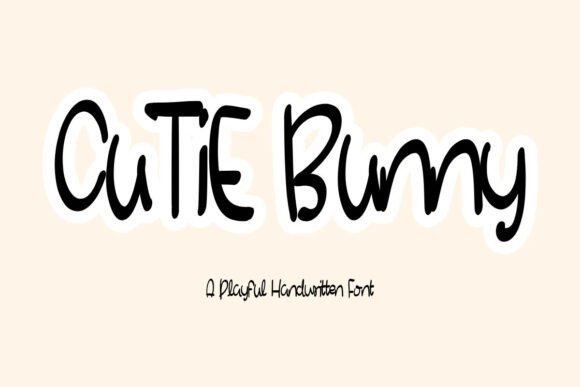
Cutie Bunny immediately stood out with its cheerful, bouncy baseline and soft curves. It’s a handwritten script font that feels like a doodle made with purpose—like someone sat down with a brush pen and poured a little joy into every letter. The font has a natural rhythm, with subtle variations in stroke thickness and slight swashes that add flair without feeling overdone. It doesn’t scream for attention like some overly stylized display fonts; instead, it invites you in with a quiet, friendly confidence.
I tested it on a logo draft, and the result was instantly engaging. The client—a small, family-run bakery—loved how it felt approachable and personal. The lowercase letters especially have a softness that works beautifully for brand names or taglines. I found myself using it in multiple places: the main logo, social media headers, and even on a mockup of custom cupcake boxes. It gave everything a cohesive, handcrafted feel that aligned perfectly with the brand’s tone.
Performance Across Branding Touchpoints
When I moved to packaging mockups, Cutie Bunny continued to impress. On a sticker label for a cookie box, it read clearly and added a sweet, handmade touch. At a slightly larger size, it held up well on printed cards and business cards—especially when paired with a clean sans serif for supporting text. The contrast between the playful script and a modern sans serif helped establish a clear visual hierarchy while keeping the design balanced.
On the web, I used it sparingly in a homepage hero section. It looked great as a headline above a short tagline, but I wouldn’t recommend it for long-form body copy. Like most script fonts, Cutie Bunny is best used in short bursts—headlines, logos, and accent text. Trying to use it for paragraphs or small print would compromise readability.
Where Cutie Bunny Shines—and Where It Doesn’t
This font excels in branding projects that aim to feel fun, warm, and personable. Think kids’ products, craft stores, greeting cards, Easter campaigns, or boutique shops. I also tested it in a social media layout for a handmade soap brand, and it added a charming, artisanal touch to the product captions and post titles.
That said, Cutie Bunny isn’t a one-size-fits-all solution. It lacks the formality and structure needed for corporate branding or technical documentation. It also doesn’t scale well at very small sizes, so I wouldn’t recommend it for footers, disclaimers, or long-form editorial design. If you’re designing for a law firm or a financial service, this probably isn’t the right font. But for creative studios, bakeries, or lifestyle brands that want to feel light and friendly? It’s a strong contender.
Pairing and Practical Design Tips
One of the best parts of working with Cutie Bunny was experimenting with font pairings. To keep the design from feeling too whimsical, I paired it with a clean, minimalist sans serif like Montserrat or Lato. That combination created a nice balance between personality and professionalism. For more decorative layouts—like a poster or a greeting card—I mixed it with a second script font, but only for short phrases to avoid visual clutter.
The font includes a range of alternates and ligatures, which added nice flourishes to the logo and social media headers. I appreciated the extra character options—they gave me flexibility without needing to switch fonts. It also supports multiple file formats, including webfont, which made it easy to use across both print and digital assets. Just be sure to check the licensing before using it in client work, especially for commercial design assets like merchandise or packaging.
Final Word: A Fun, Versatile Font for the Right Project
After testing Cutie Bunny across a full branding mockup, I can confidently say it’s a well-designed, flexible script font that brings warmth and personality to the right kind of project. It’s not just a pretty face—it’s practical, readable at the right sizes, and adaptable to different design formats. Whether you’re a freelancer building a boutique identity or a small business owner creating your own marketing materials, Cutie Bunny could be the font that ties your brand together with a smile.